

Susan Narjala
Keeping it Real
How Can We Reclaim Joy?
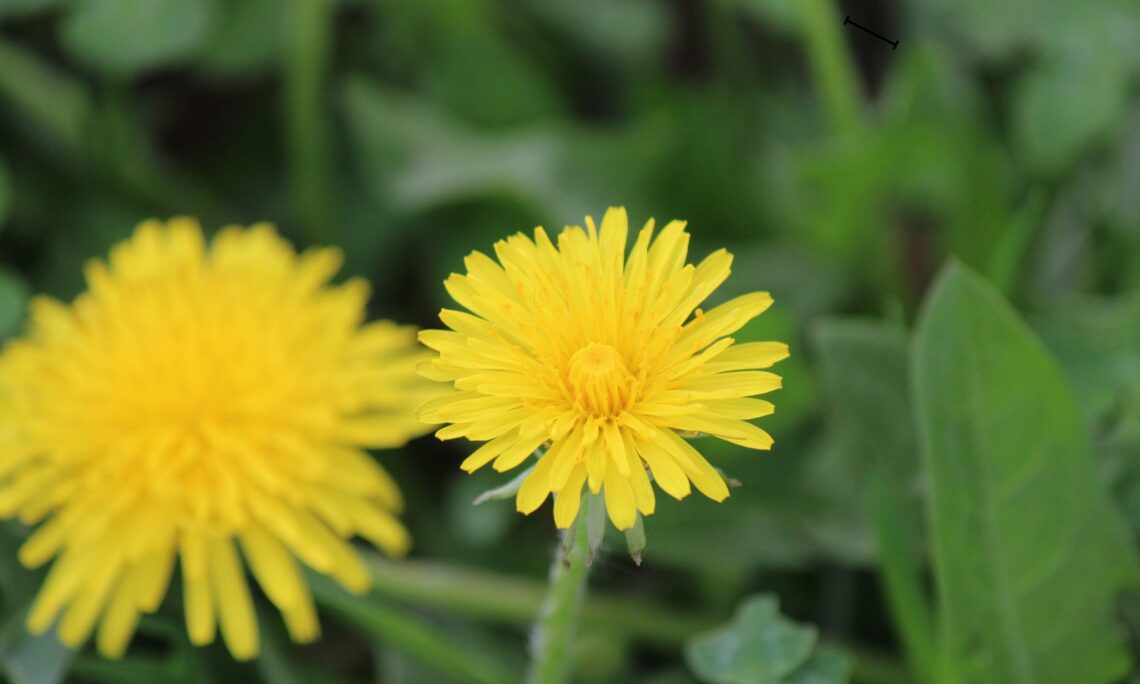
When my daughter was little, she would present me with dainty bouquets—composed entirely of weeds. We lived in Portland, Oregon, at the time, and on our few and scattered sunny days, my mini-me would joyfully run through the grass, filling her hands with wispy dandelions and wild daisies. When she gave me her handcrafted bouquets, saying, “Fow-wers for you, mama,” my heart would melt.
As a three-year-old, my little person carried bubbling-over joy. Back then, she didn’t know that she “really needed clothes from H&M” or that she was required to find internship opportunities to be college-ready. She simply found joy in the ordinary.
Children are notably joyful creatures. They jump in puddles. They squeal on slides. They scamper toward grandparents. Their joy is exuberant and uninhibited. But somewhere along the way, they start losing that remarkable joy. Their joy becomes more restrained and more manageable.
While it would be fairly awkward for full-grown adult humans to squeal, scamper, or slosh in puddles, what if we reclaimed joy? Through the mundane years, through seasons of pain, through delays, detours, and dead dreams, our joy has wilted. But could we pray and seek a renewal of joy? It may look different from childish exuberance. It may be a quiet joy—but it will be an abiding joy that is present despite our circumstances.
As adults, we might not run through fields or collect dandelions anymore, but God still invites us to rejoice. How do we do that?
One way we can cultivate that joy is by finding poetry in the prosaic and turning that to praise. Yeah, I went hardcore on the alliteration there, didn’t I? But what do I mean?
Simply put, can we stop to notice the blessings sprinkled throughout our days, and direct our thanks to God?
Psalm 16:1 reminds us that in God’s presence there is fullness of joy. When we invite God’s grace into our daily, difficult days, dreary days, and those downright boring days become days when we can still experience joy.
As author Ann Voskamp says, “Gratitude doesn’t say that we blithely ignore all the excruciating things and simply accept the status quo, but gratitude means that we intentionally notice all the everyday things, and accept God’s grace, in all things, with thanks.”
In the busyness of daily life, moments of fleeting joy get overlooked. We miss out on joy because we don’t pause to see beauty, and we don’t stop to give praise. Just noticing beauty alone can lift our hearts—but when we turn it to thanksgiving, we experience the abounding joy of communing with the Creator.
Like my daughter when she was little, I long to gather flowers among the weeds. I want to make bouquets of thanks to present before the Author of Joy Himself. I long to see the wonder of the ordinary and the beauty of the familiar. And when I do, I will experience the exceeding joy that comes from giving God praise for the prosaic.
This post was first published on Indiaanya.
If this blog resonated with you, SUBSCRIBE to my weekly newsletter. I would love a Facebook or Instagram follow or share if you’re on social media. Thanks a ton for stopping by! See you next week.
MEET SUSAN

Comments
6 Comments
Lauren
Thank you so much! That was a beautiful reminder to thank the Giver of all good gifts. I will try to go forward offering praise for the prosaic
Susan Narjala
🙂 Love that. Blessings, Susan
Peter
‘Finding the poetry in the prosaic and turning it into praise’… Put that in your pipe and smoke it! Inhale deeply. Let it enter your blood stream and micro sacs (aveoli) of your imaginative (spiritual) lungs.
Thanks, Susan, for this gift. Not all amateur alliteration.
A long, deep drag on my proverbial pipe made me wonder… isn’t the poetry in the prosaic itself a form of praise, an unheard anthem? Nature ‘declares’ doxology: “If you don’t praise me, the rocks and stones will” — Jesus (Lk 19:40).
Are not life and nature perpetually beckoning us to turn our exhausted attention to its woe or our entranced attention to its wonder into adoration of its sustainer; ‘the One in whom all things coalesce’ (Col 1:7)? Without delusion, denial or detachment?
Reminds me of one of my awkward coined words ‘awedinary’ — finding the awe in the ordinary.
Isn’t this gift of the awedinary what Christmas challenges us to embrace? A reality the arrival of Advent invites us to ponder?
Meanwhile, an ad recall test
Anyone remember this one-word wonder ad campaign, JOY, that BMW, the ultimate driving machine, ran at the time when brand gurus touted ‘brand word ownership — BMW decided to own joy?
Curious.
BMW may be more associated with thrill, excitement, fun, happiness: were these sufficient and sadly shallow synonyms for joy? Real joy?
Had BMW intuited that humans (particularly their target audience) desired a benefit that transcended the more fleeting or functional rewards of their competitors? The experience of owning, driving and riding in a BMW was its greatest reason and reward: joy.
The power of joy – even global power brands want to claim it. Would this suggest joy may be far deeper and higher than mere childish naïveté or nubile headiness?
Joy, which the epistle to the Galațian believers informs us, is a ‘fruit’ of the Spirit; a divine disposition, a Spirit-sprung manner of being, His abiding presence yields? Never manufactured nor manipulated? Never a commodity? But pure gift of His residence? Much like the fragrance from fresh blossoms or wildflowers that fills the air, brings the room to life?
Is it learning to find the poetry, developing a certain way of ‘seeing’, which opens us to possibility of joy? A brightened perspective which goes beyond the pleasure of a good laugh, or a special moment of slight sublime lift? Or may it be l akin to the blissful largesse of blessing… a heightened awareness of abundant life?
Or could the Spirit’s joy be more like that confounding, counter-intuitive self-development-discovery-and-actualisation culture cancelling variety of prized joy in Heb 12:2: “for the JOY set before him, he endured the cross, despising the shame”?
The eyes to behold the glory in the grotesque — so scholarly examined in Daniel J D Stula’s collection of theological essays titled The Gift of the Grotesque: A Christological Companion to the Book of Judges?
Joy that never ceases to take us by surprise, as CS Lewis articulates with his exquisite literary genius in Surprised by Joy?
Susan Narjala
Wish I had thought of “awedinary” 🙂 Thanks, Peter, for your insights. Blessings, Susan
Vicki
I am 73 and not long ago i jumped and skittered my way through autumn leaves 🍁 on a median strip. I received a few beeps from motorists and even got wet feet but it made my day. It was gift from my Father. 💕
Susan Narjala
Haha. Love it!! You couldn’t hold back your joy in the Lord! I hope I can do that when I’m 73 🙂 Blessings, Susan